How Arnold HOA Amenities and Water Access Really Work
April 16, 2026
April 16, 2026
If you are shopping for a home in Arnold, HOA amenities can look like a major bonus at first glance. A pool, pier, beach access, trails, or open space may sound simple, but the real value depends on how those amenities are owned, funded, maintained, and shared. If you understand what to look for before you buy, you can make a more confident decision and avoid surprises later. Let’s dive in.
Arnold sits on Anne Arundel County’s Broadneck Peninsula, with access routes including MD 2, MD 648, and College Parkway, and with bicycle and pedestrian connections like the B&A Trail and Broadneck Trail described in the county’s Region 4 plan. That setting helps explain why buyers often compare neighborhood amenities carefully here.
Arnold is also made up of many different community associations. Anne Arundel County’s community associations directory lists Arnold associations such as North Port, Stonington, Twin Harbors, Ulmstead Club, Ulmstead Cove, Woodfield Village, and Whispering Woods. In practical terms, that means there is no one-size-fits-all amenity package in Arnold.
Some communities may include shared recreation features, while others may offer fewer HOA amenities and rely more on nearby public spaces. That is why it helps to look beyond marketing language and focus on the actual documents tied to each property.
In Maryland, HOA fees are generally used to maintain common areas. According to the state’s homeowners association consumer guidance, annual HOA budgets are required to include items like income, administration, maintenance, utilities, general expenses, and reserves.
That last item, reserves, matters more than many buyers realize. Reserve funds are meant to help cover future repair or replacement costs for shared components, which can reduce the likelihood of sudden large charges when major work comes due.
So if you are comparing two Arnold communities, the monthly fee alone does not tell the full story. A lower fee can look attractive, but it may not reflect how well the association is planning for long-term maintenance.
Maryland law requires certain qualifying HOAs that maintain and repair common areas to obtain an independent reserve study. That study is designed to identify common-area components, estimate their remaining useful life and replacement cost, and recommend annual reserve funding. Updated studies are required at least every five years for associations covered by the law.
Not every HOA is subject to the same reserve-study rule, because the law applies only when the total repair or replacement cost of covered common-area components reaches at least $10,000. Still, when a reserve study exists, it can give you valuable insight into whether the community is planning responsibly for future expenses.
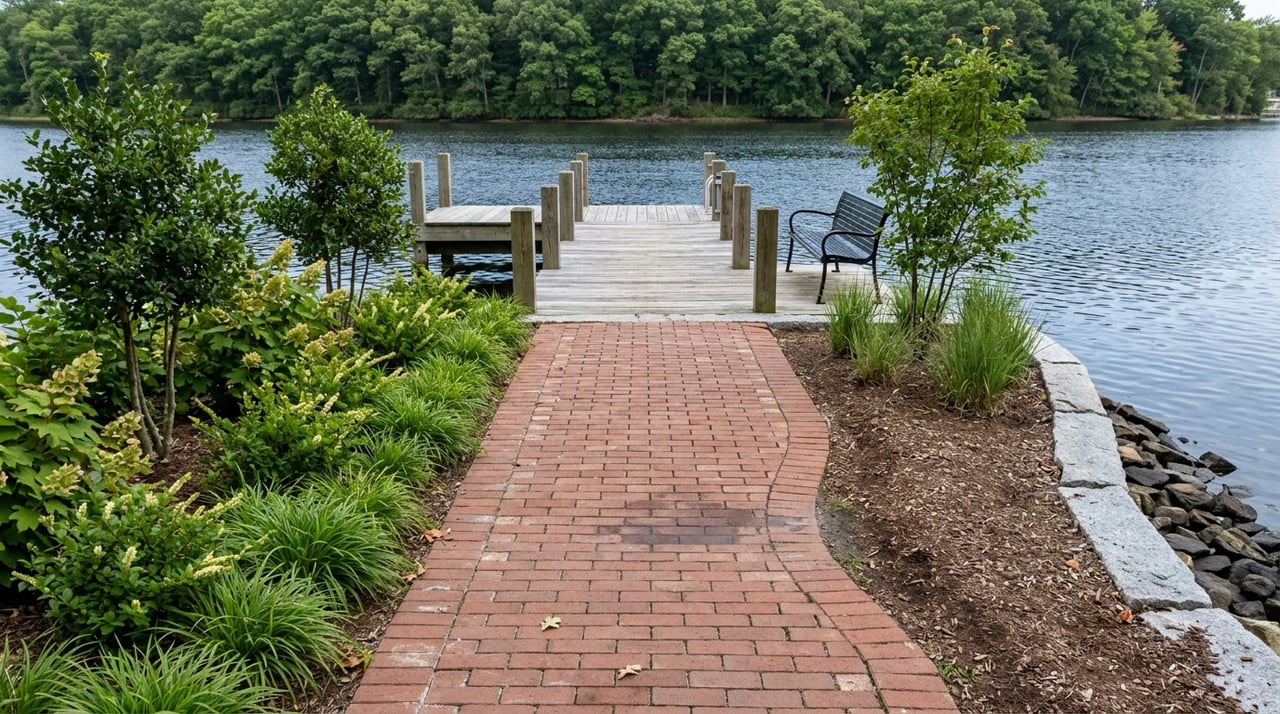
This is especially important in communities where buyers are interested in water-related features. Shared piers, beaches, access paths, or similar features matter financially only if the governing documents treat them as part of the HOA’s common areas. In other words, a feature may look like a neighborhood benefit, but its maintenance and replacement costs depend on how the association documents define it.
One of the smartest questions you can ask in Arnold is whether an amenity is controlled by the HOA or available as a public county asset. That distinction affects access, rules, costs, and long-term upkeep.
For example, Arnold has public recreation options outside HOA governance. Arnold Park includes trails, a playground, picnic areas, and fields. The county’s planned Broadneck Peninsula Trail will connect the B&A Trail to Sandy Point State Park, giving buyers another public recreation asset to consider.
That means a community with modest HOA amenities may still be appealing if you value access to nearby public trails and parks. On the other hand, if you want private or neighborhood-only access to certain shared features, the HOA documents become even more important.
Before you commit to a home in an Arnold community, it helps to ask specific questions about how the amenities actually work. A good rule is to look at both your lifestyle and the association’s paperwork.
Here are some of the most useful questions to ask:
These questions can help you compare communities more accurately. They also make it easier to decide whether the monthly cost matches the value you expect to receive.
Maryland gives buyers important rights when purchasing in an HOA community. Under the state’s HOA disclosure law, sellers must provide written information that includes the current monthly fees or assessments, the total fees assessed in the prior fiscal year, whether any charges are delinquent, the HOA management contact, and knowledge of unsatisfied judgments or pending lawsuits.
The disclosure package must also include copies of important governing documents, such as the articles of incorporation, declaration, covenants, bylaws, and rules. In some cases, the information may be summarized or bundled into other clear documents, as long as it effectively conveys the required details.
This paperwork is not just a formality. It is one of the best tools you have for understanding how a community operates and whether its amenity structure fits your goals.
Maryland law also gives buyers certain timing protections. If the required HOA information is not delivered at least five calendar days before contract signing, you may have five calendar days after receiving it to cancel the contract, according to the same state disclosure statute.
There can also be a three-day cancellation window if you later receive notice of a mandatory fee increase above 10% or another material adverse amendment. These rules are one reason it is so important to review HOA documents carefully and promptly.
If you want the disclosure package directly from the HOA or management agent, Maryland law generally allows the association 20 days to respond after a written request and payment of a reasonable fee, subject to statutory caps. That timeline can matter in a fast-moving transaction.
If you want to know whether a community’s amenities are well managed, financial and association records can tell you more than a listing description ever will. Maryland’s HOA records law makes a range of books and records available for owner inspection and copying.
Those records can include financial statements, meeting minutes, contracts, insurance policies, permits or code violations, reserve information, funds, and common-area plans. That can help you confirm whether an amenity is being maintained consistently and whether the association is planning ahead.
For buyers focused on water-access living, this step can be especially useful. If a shared feature is important to your lifestyle, you want to know not only that it exists, but also how it is being maintained and funded over time.
When you are comparing Arnold neighborhoods, it can help to think in three layers: what is offered, how access works, and how it is funded. That approach keeps you focused on practical value rather than surface appeal.
Here is a simple framework you can use:
| What to Compare | What to Look For |
|---|---|
| Amenity type | Pool, open space, trails, water access, shared structures, or nearby public assets |
| Access rules | Automatic access, keys, stickers, guest limits, waitlists, or extra fees |
| Monthly fees | Current assessment amount and prior-year totals |
| Financial health | Budget details, reserve funding, and reserve study if applicable |
| Future risk | Special assessments, major repairs, litigation, or insurance issues |
| Real-life fit | How often you expect to use the amenities |
Using this kind of checklist can make your decision feel more grounded. It also helps you separate amenities that look appealing on paper from amenities that will truly add value to your daily life.
Because Arnold includes a wide mix of associations and some communities are more water-oriented than others, the most reliable way to compare neighborhoods is to read the declaration, bylaws, rules, budget, and reserve study. County association listings and public recreation resources are helpful context, but the governing documents tell you what ownership actually includes.
That is where a calm, local, detail-focused approach can make a real difference. When you are weighing neighborhood fit, monthly costs, and lifestyle priorities, having guidance through the document review process can help you move forward with more clarity.
If you are thinking about buying in Arnold and want help comparing community amenities in a practical, low-pressure way, the Christine Joyce & Jean Andrews Team is here to help you sort through the details and schedule a personal neighborhood tour.


Get In Touch With Our Team To Learn More
Jean Andrews & Christine Joyce Team
541 B Baltimore Annapolis Blvd Severna Park MD 21146