Is there a right month to list your Severna Park home, or is it all about preparation and strategy? If you are like most sellers, you want a fast, smooth sale and the best possible price. The good news is that timing does matter in Severna Park, and you can use local seasonality to your advantage. In this guide, you will learn when demand peaks, how waterfront and interior homes differ, and how to plan your prep timeline so you hit the market ready. Let’s dive in.
Severna Park selling seasons at a glance
Severna Park sits along the Severn River with easy reach to Annapolis, Baltimore, and major commuter routes. That mix of waterfront lifestyle and commuter convenience shapes when buyers shop. Here is the big picture for the Mid-Atlantic and our local suburban Chesapeake pattern.
Spring brings peak demand
March through June is the traditional high-activity window. You see more showings, faster sales, and strong pricing. Many buyers want to close before summer, and curb appeal shines with green lawns and blooming landscaping. If you can prepare in late winter, listing in spring is often your best bet.
Summer stays active, especially on the water
June through August remains steady. Interior homes may soften slightly after the spring surge, but waterfront and water-privileged properties often do their best work in mid-summer. Buyers want to experience docks, water depth, and boating access during the season.
Early fall offers a second chance
September and October create a solid secondary window. There are fewer competing listings than spring, and buyers tend to be serious about moving before the holidays. Good staging and competitive pricing can deliver excellent outcomes.
Late fall and winter slow down
November through February usually see lower traffic. Serious buyers are still out, including relocation and investor segments, but you should expect longer days on market and price sensitivity. If you must list in this window, focus on value, professional visuals, and flexible terms.
Month-by-month guidance
Use this quick calendar to plan your approach. Your exact timing should reflect your property type, prep needs, and life schedule.
- January to February: Low traffic, great for prep. Knock out repairs, permits, and staging. If you list, price attractively and prioritize high-quality photos and virtual tours.
- March to April: Strong start. Have disclosures ready and the home showing beautifully. Pricing at market or slightly aggressive can spark early interest and multiple offers.
- May to June: Peak for most interior homes and a strong window for waterfront. If you prepped in winter, this is often the sweet spot for maximum leverage.
- July to August: Waterfront momentum continues. For interior homes, consider strategic incentives if activity softens.
- September to October: Good secondary window with motivated buyers and less competition than spring.
- November to December: Slowest period. Consider waiting to list, or emphasize value and flexible timing if you need to sell now.
Waterfront vs. interior: timing and strategy
Not all Severna Park properties perform the same way across the calendar. Align your strategy with how buyers shop for your specific home type.
Waterfront and water-privileged homes
- Timing: Late spring through mid-summer lets buyers evaluate docks, water depth, and boating features in season.
- Prep: Clean and inspect docks and bulkheads, trim trees that block views, and gather elevation or flood information if relevant. Summer photos and drone video can be powerful.
- Pricing: Waterfront can command a premium, but buyers are attentive to shoreline condition and insurance considerations. Support your price with recent surveys, permit history, and maintenance records.
Interior and suburban homes
- Timing: Spring aligns with family plans and strong curb appeal.
- Prep: Focus on exterior refresh, neutral interior updates, and thoughtful staging that shows functionality.
- Pricing: Aim to be competitive in the spring surge to capture attention and create urgency.
Pricing strategy by season
Price is not only a number, it is a strategy aligned with time of year and buyer demand.
- Spring surge: Price at market or just above to encourage early showings and potential multiple offers. Avoid overpricing, especially in the first two weeks when buyer energy is highest.
- Summer: Waterfront listings can support stronger pricing if condition and boating features are compelling. Keep interior homes tight to comps if activity has cooled.
- Early fall: Use competitive pricing and crisp staging to stand out, buyers are serious and want to move before winter.
- Late fall and winter: Expect longer days on market. Price more sharply, highlight value, and lean on great online presentation to reach serious buyers who are still active.
Your market-readiness timeline
Working backward from your ideal list date helps you stay calm and on track. Here is a practical schedule you can tailor to your home.
- 3 to 6+ months before: Start any major work that might require permits, such as additions or shoreline projects. Coordinate early with relevant county and state offices if waterfront features need attention.
- 4 to 8 weeks before: Complete cosmetic updates and staging. Paint, refresh flooring as needed, deep clean, declutter, and boost curb appeal.
- 2 to 6 weeks before: Order any pre-listing inspections you want to provide, such as general home, roof, pest, septic or well if applicable. Waterfront sellers can add a dock or bulkhead evaluation and gather flood or elevation documentation.
- 1 to 2 weeks before: Schedule professional photography and a virtual tour. For waterfront homes, time photos for calm water and lush landscaping.
- Launch week: Go live with a complete disclosure packet, strong visuals, and a pricing plan aligned with the season.
Pre-listing checklist for Severna Park sellers
Use this list to reduce surprises and give buyers confidence.
- Disclosures and records
- State and local seller disclosures.
- Flood insurance history and elevation information if applicable.
- Septic or well records when relevant.
- Permit history for additions, docks, and bulkheads.
- Inspections and reports
- Consider pre-listing home inspection, roof and pest reports.
- Septic certification or well test where applicable.
- For waterfront, a bulkhead or dock inspection and any elevation documentation.
- Property presentation
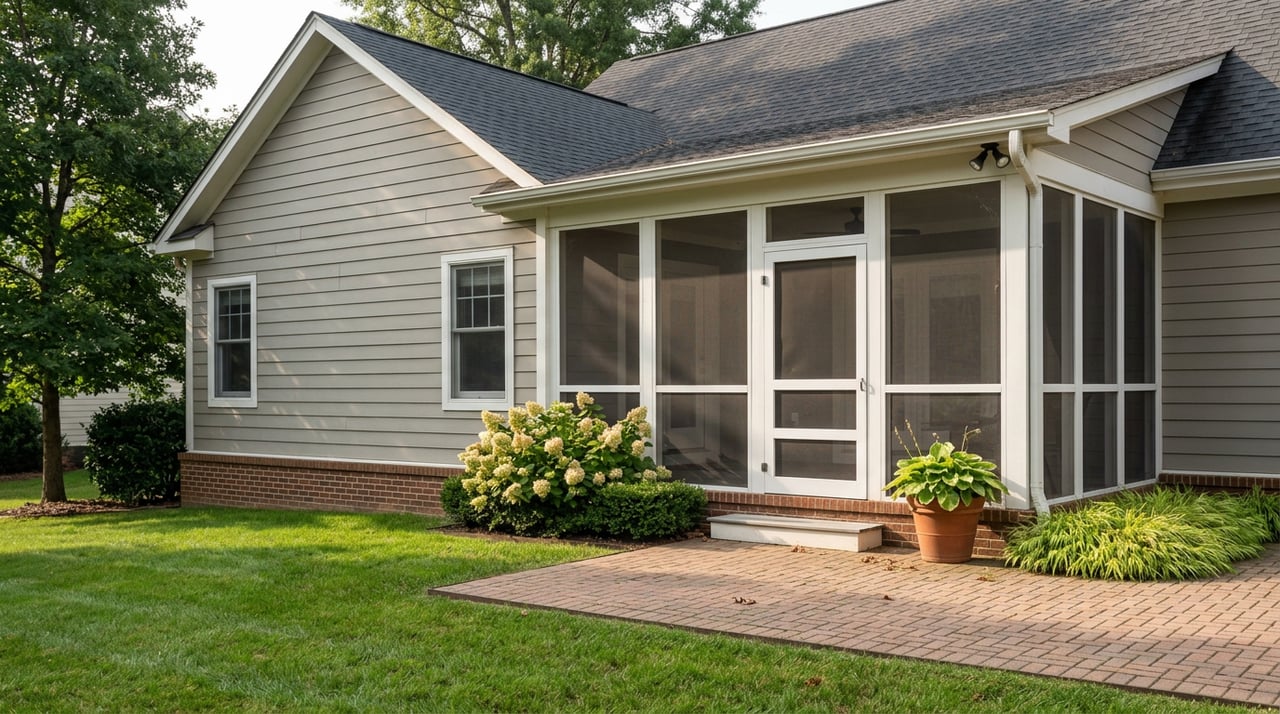
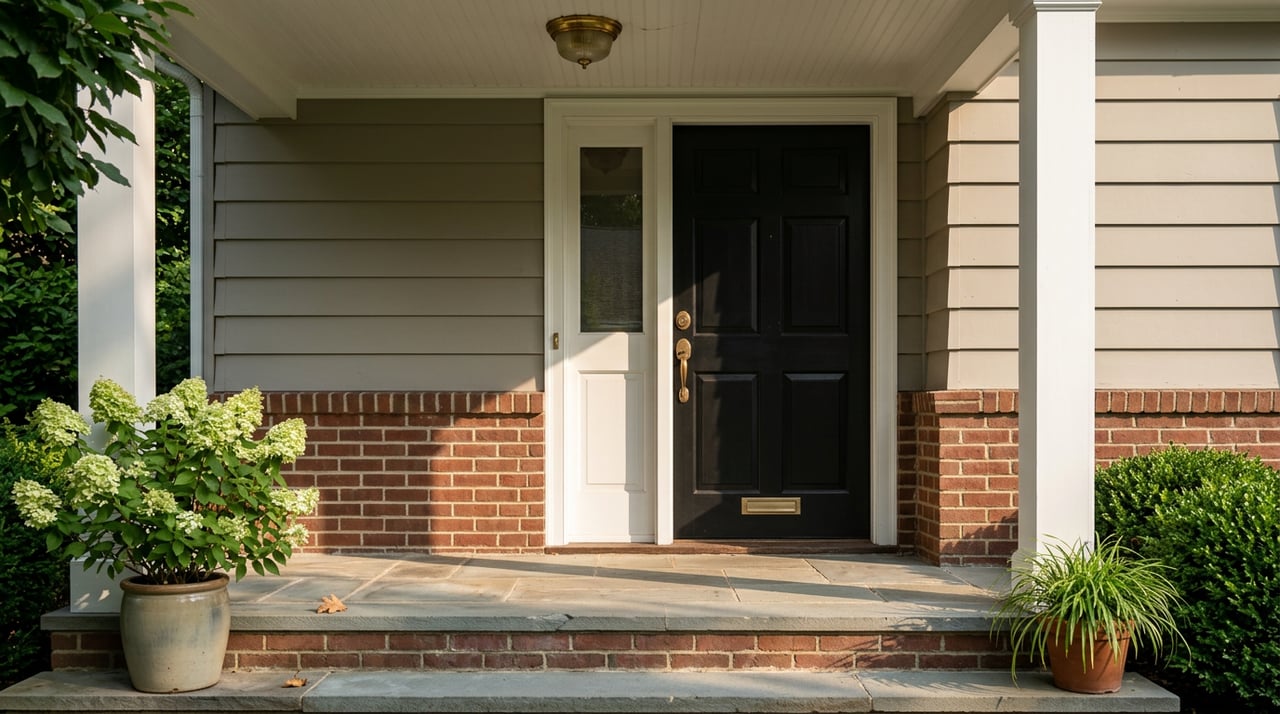
- Exterior refresh, landscaping, and porch or deck repairs.
- Declutter, deep clean, and stage for flow and light.
- For water access, clean the dock and shoreline, remove debris, and showcase views.
- Marketing preparation
- Professional photos, video, and 3D tour.
- Neighborhood highlights such as commute convenience and local amenities like marinas and waterfront parks.
- Pricing package
- Recent comparable sales tailored to interior vs. waterfront.
- A short list of known deferred maintenance to set expectations.
If you need to sell in winter
Life does not always wait for spring. You can still sell well in late fall or winter with a focused plan.
- Be value-forward: Price competitively to attract serious buyers who are still active.
- Lean on visuals: Use bright, warm photography and a guided virtual tour.
- Make it easy: Offer flexible showing windows and consider buyer-friendly terms.
- Highlight strengths: Emphasize indoor upgrades, energy efficiency, and low-maintenance features.
How to choose your best list date
Your ideal timing depends on your goals, your property type, and your prep runway. If you own a waterfront or water-privileged home, listing in late spring or early summer can help buyers experience your dock and water access at their best. If you are selling an interior home, aim for the spring surge when curb appeal and family timing are in your favor. Early fall can be a strong plan B with less competition.
The most important step is to align your preparation to the season you are targeting. A clean, well-presented home priced to today’s market will outperform a rushed listing in any season. Give yourself enough time to complete a few high-impact improvements and assemble a thorough disclosure packet. Buyers reward clarity and care.
Why work with a boutique local team
Selling in Severna Park is both a life transition and a financial decision. You deserve calm, attentive guidance that reflects our neighborhood’s unique mix of commuter convenience and waterfront lifestyle. Our boutique approach pairs decades of local experience with Long & Foster resources for marketing, mortgage, title, inspections, and trusted vendor referrals. We specialize in suburban resale, water-privileged and waterfront homes, and thoughtful support for seniors and estate clients.
If you are thinking about selling this year, let us help you pick the right window and the right plan. A short conversation can save you weeks of prep and help you launch with confidence.
Ready to talk through timing for your home and neighborhood? Connect with the Christine Joyce & Jean Andrews Team to start your plan.
FAQs
What is the best season to sell a home in Severna Park?
- Spring, from March through June, is typically the strongest for showings, faster sales, and pricing, with a good secondary window in September and October.
When should waterfront sellers in Severna Park list for best results?
- Late spring through mid-summer often works best for waterfront and water-privileged homes, since buyers want to evaluate docks, water depth, and boating access in season.
How far in advance should I start preparing my Severna Park home to sell?
- Start major or permit-related projects 3 to 6 months out, plan cosmetic updates and staging 4 to 8 weeks out, and schedule photography 1 to 2 weeks before listing.
Is it worth listing in late fall or winter in Severna Park?
- Yes, if you price competitively and invest in strong online visuals, you can attract serious buyers, though you should expect longer days on market than spring.
How should I price my Severna Park home for a spring listing?
- Price at market or slightly above to capture early interest, avoid overpricing during the crucial first two weeks when buyer activity is highest.