Jumbo Loan Basics For Annapolis Waterfront
December 18, 2025
December 18, 2025
Shopping Annapolis waterfront and not sure if your budget calls for a jumbo loan? You are not alone. Waterfront prices and unique property features can make financing feel more complex than a typical suburban purchase. In this guide, you will learn what counts as a jumbo loan, how lenders underwrite higher loan amounts, what to expect from waterfront appraisals and flood insurance, and how to prepare a smooth plan from pre-approval to closing. Let’s dive in.
A jumbo loan is any mortgage that exceeds the conforming loan limit set by the Federal Housing Finance Agency. For 2024, the FHFA baseline limit for a one-unit property is $766,550, and high-cost areas can go up to $1,149,825 for a one-unit home. You can review the current figures and annual updates in the FHFA conforming loan limit announcement. If your loan amount is above the local limit for the year you buy, you are in jumbo territory.
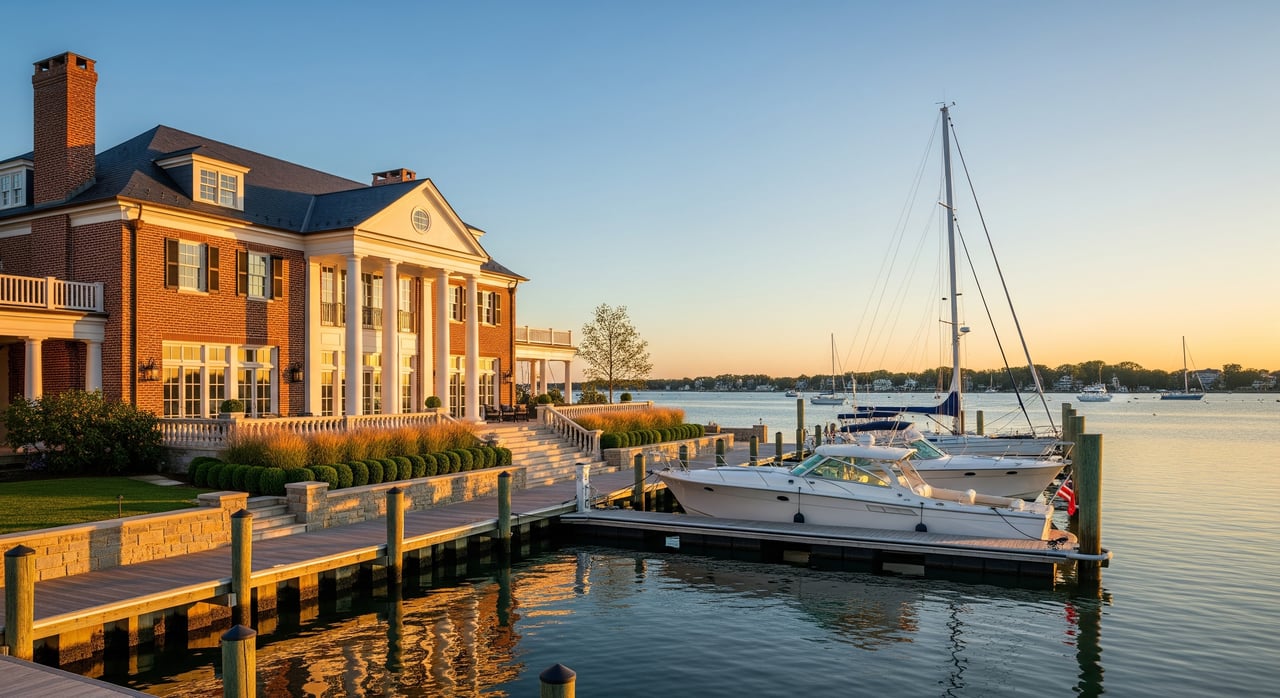
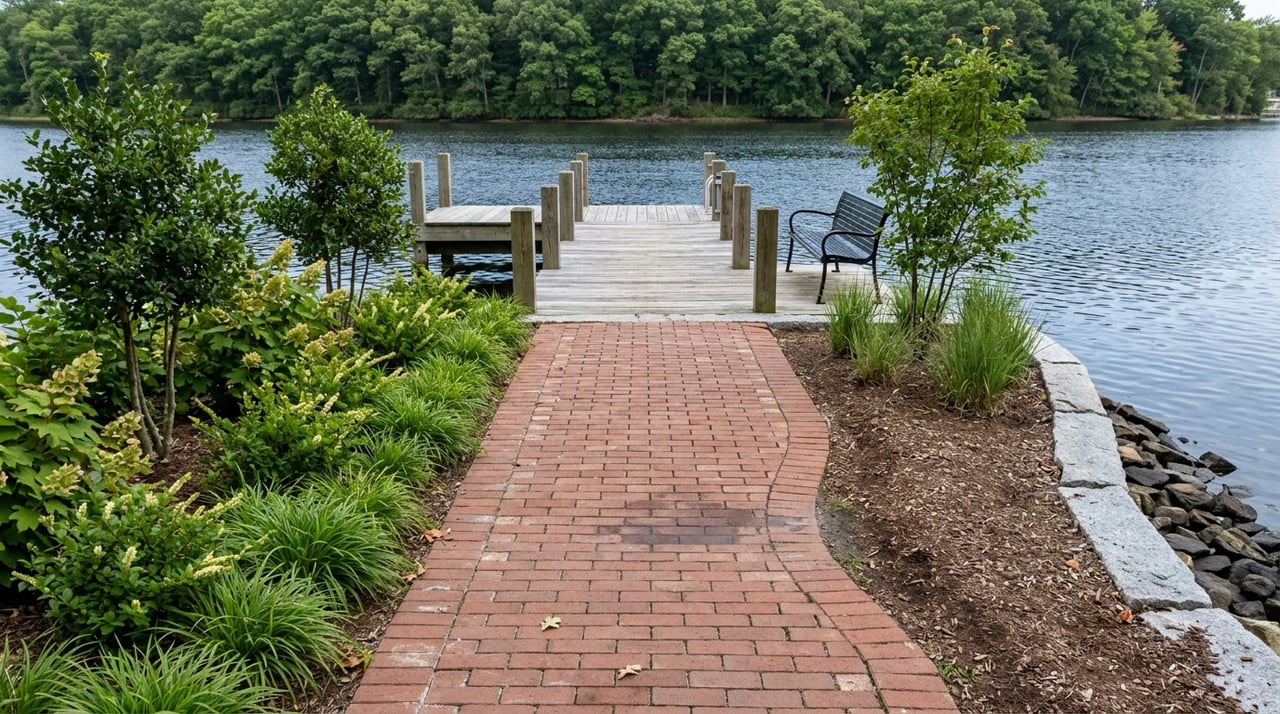
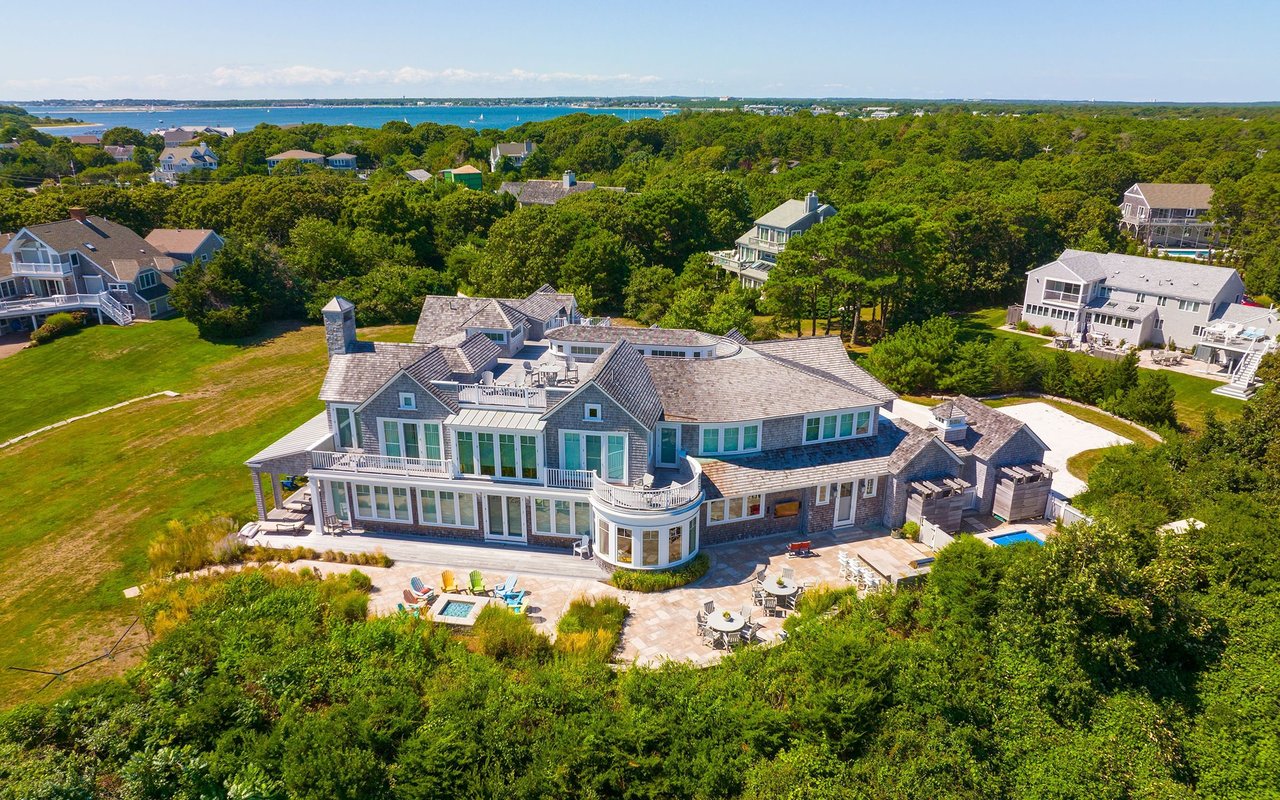
Homes along the Severn and South River corridors often command premium prices because of scarce lots, deep-water access, private docks, and sweeping views. Those price points frequently push loan amounts above conforming limits. That is why many Annapolis waterfront buyers explore jumbo products and portfolio lenders that understand local shoreline features, permits, and seasonal market patterns.
Many lenders allow 10 to 20 percent down for well-qualified primary residence buyers, but 20 percent is common for competitive pricing. As loan sizes climb, you may see expectations of 20 to 30 percent down, especially for second homes or more complex scenarios. The exact requirement depends on the loan amount, occupancy, your credit profile, and the property condition.
Because jumbo loans are not purchased by Fannie Mae or Freddie Mac, lenders are cautious about reserves. Typical guidelines:
Reserves generally include liquid assets such as cash, brokerage funds, and certain retirement accounts that can be documented for withdrawal per lender rules.
The best pricing often goes to borrowers with higher credit scores, commonly 720 to 760+. Debt-to-income ratio limits are assessed strictly, with typical maximums in the 43 to 50 percent range depending on compensating factors. Mortgage insurance is generally not available on true jumbos, so lenders price risk through rates, reserves, and down payment.
Your rate will depend on loan amount, loan-to-value, credit, occupancy, documentation type, and whether you choose a fixed rate or an adjustable-rate mortgage. Unique waterfront features can add appraisal risk, which some lenders factor into pricing.
Starting your paperwork early can speed up underwriting and reduce stress. A useful overview of what lenders usually ask for is in the CFPB’s mortgage documentation guide. Expect to provide:
Annapolis waterfront properties often have limited comparable sales, and a significant portion of the value is in the land and water access. Appraisers must analyze details such as view quality, water depth and access, condition of bulkheads and docks, riparian and shoreline rights, and permit history for piers and boat lifts. For perspective on professional standards and valuation practices, review the Appraisal Institute’s resources.
Lenders frequently prefer appraisers with documented experience in the same river or bay system. When comparable sales are scarce, a second appraisal or enhanced review may be required.
Having these ready or scheduled early can keep your timeline on track.
Many Annapolis waterfront homes are in FEMA flood zones that trigger a lender requirement for flood insurance. Even outside mapped zones, some lenders recommend coverage. You can look up a property’s flood zone and elevation information using the FEMA Flood Map Service Center. Elevation certificates and local floodplain data affect underwriting and premiums. Private flood insurance is common for higher-value properties, and timing can matter, so start quotes early.
For questions on shoreline structures and permits, visit Anne Arundel County Planning and Zoning and the county’s Inspections and Permits pages to verify what is allowed and whether existing docks, bulkheads, and lifts are permitted and in good standing.
Jumbo underwriting can take longer than conforming loans. Appraisals for specialized properties also take more time to schedule and complete, and lenders may order additional reviews. Get a head start on flood insurance quotes and elevation certificates, and make sure any dock or shoreline inspections are ordered early in the contract period.
The right team can make a big difference when features like water depth, pier condition, and riparian rights come into play. When you evaluate lenders, look for:
Ask for references or recent examples of similar closed loans. Make sure your lender will coordinate quickly with appraisers, insurance providers, and county offices when questions arise.
Buying or selling along the Severn or South River takes patient, detail-oriented guidance. We regularly coordinate appraisers, marine contractors, surveyors, and local officials so you have clear answers on value, permits, and flood considerations. You set the pace, and we keep each step organized.
If you are planning a move on the Annapolis waterfront, we would love to be your first call. The Christine Joyce & Jean Andrews Team brings boutique attention backed by full-service resources to help you secure the right financing strategy and a confident closing.



Get In Touch With Our Team To Learn More
Jean Andrews & Christine Joyce Team
541 B Baltimore Annapolis Blvd Severna Park MD 21146