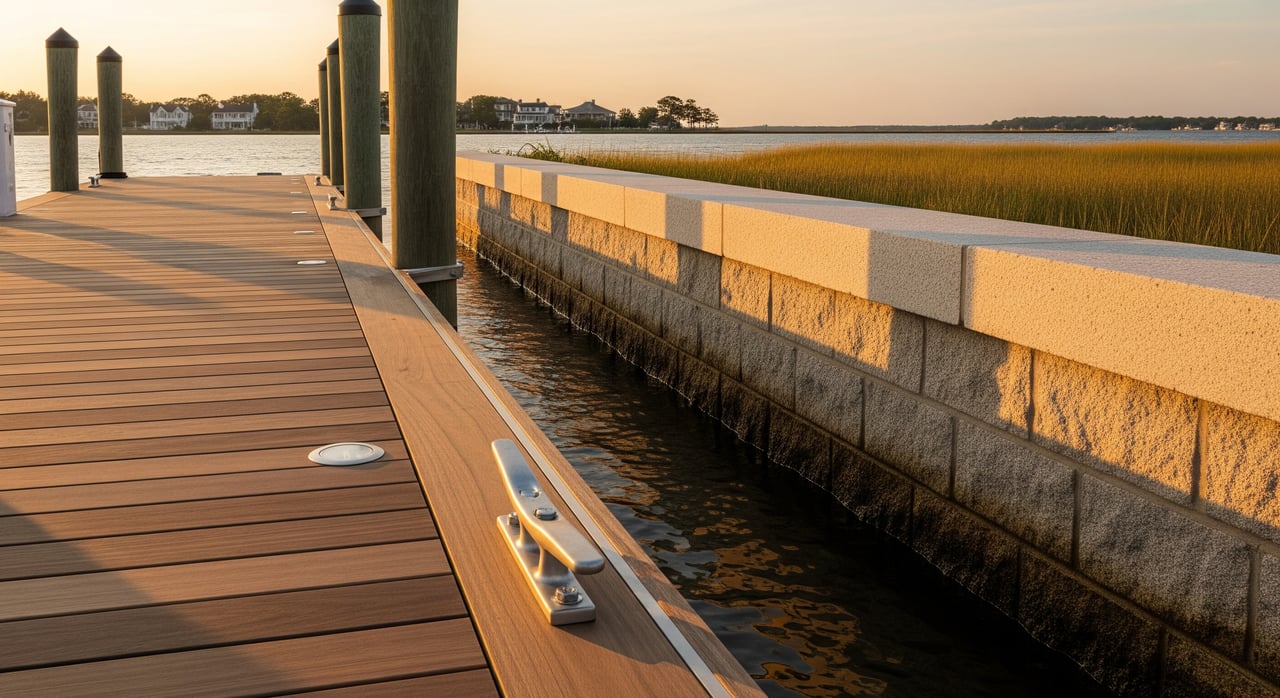
If you just bought a waterfront home in Edgewater, you might be wondering how to keep your pier and bulkhead in great shape without running into costly surprises. The South and Rhode Rivers are beautiful, but their brackish tides, winter storms, and summer boat traffic can be hard on wood, steel, and stone. With a simple seasonal plan and an understanding of local permits, you can protect your shoreline and stay ahead of repairs. In this guide, you’ll learn what to check, when to call a pro, which materials hold up best here, and who to contact first for permits. Let’s dive in.
Why maintenance matters on Edgewater waterfront
Edgewater’s tidal environment causes constant movement around piles, bulkheads, and toes. Winter freeze and thaw, spring storms, and summer wave energy all add wear. Small issues like a loose plank or minor scour can quickly become structural problems if ignored. A steady inspection routine helps you catch problems early, budget wisely, and avoid emergency work that may require extra permits.
Seasonal maintenance plan
A simple, repeatable schedule helps you see patterns and act before heavy-use seasons and big storms.
Early spring inspection: March to April
Look for damage from winter storms and freeze cycles before boating activity picks up. Check for scour around piles and the bulkhead toe, lost fasteners, and floatation problems. Photograph everything with dates so you can compare from year to year. Plan any needed repairs before contractor schedules fill up.
Pre‑boating check: May
Do a quick functional walkthrough. Confirm safe gangway angles, adequate floatation buoyancy, and solid cleats and ladders. Verify shore power safety including GFCI function. Replace worn deck planks and tighten hardware with marine‑grade fasteners.
Mid‑summer check: July
Look for marine growth that creates slip hazards or accelerates corrosion. Scan for loose planks and rusted or failing bolts and brackets. Remove entangling debris but avoid disturbing the seabed. Note any new shifts in piles or floating sections.
Late fall inspection: October to November
Inspect before winter storms. Look for toe undermining, bulkhead bulging, and seepage through joints. Decide what to winterize and document current conditions. Address safety items so winter weather does not make them worse.
After any major storm
Do an immediate visual check for shifted piles, undermined toe stone, displaced floats, or structural damage. Photograph conditions and contact a contractor if you see movement or washout.
What to inspect each time
Use these checkpoints during your seasonal walkthroughs.
Deck and superstructure
- Loose, split, or rot‑damaged planks and soft spots.
- Corroded or failed fasteners, hinges, cleats, and bracketry.
- Secure gangway connections and bollards with no excessive play.
Piles and framing
- Cracking, shelling, leaning, or movement.
- Evidence of marine borer damage below the waterline, especially on older or untreated timber.
- Condition of pile caps, cross bracing, and any splices.
Bulkhead and shoreline toe
- Scour or washout at the toe, exposed base stone, or undermining.
- Bulging or leaning that signals wall displacement.
- Vegetation loss behind the bulkhead or seepage through joints.
Floating systems
- Floatation integrity, soft spots, or waterlogged foam.
- Cracked pontoons and failing attachment hardware.
- Lines or hardware that are chafing against edges.
Environmental indicators
- Changes in nearby marsh vegetation if you have a living shoreline.
- Shifts in sand or debris that suggest changing littoral drift patterns.
Safety items
- Ladder security and guardrail stability.
- Non‑slip surfaces on walking areas.
- Lighting and electrical safety, including GFCI checks.
Good recordkeeping
- Take dated photos from multiple angles every season.
- Keep contractor reports, receipts, and any permit documents.
- These records help with future permit reviews and real estate transactions.
Minor maintenance you can do
You can handle simple tasks that do not alter the structure’s footprint or the seabed.
- Tighten visible fasteners and replace worn bolts and washers with marine‑grade materials.
- Replace rotted deck planks and loose cleats.
- Remove hazardous debris and excess algae growth at the surface.
- Reapply deck finish on the schedule recommended by the manufacturer.
If any task could affect the footprint or disturb sediments seaward of the mean high water line, stop and call a professional.
When to call a pro right away
Certain signs point to structural or permitting risks. Bring in a local marine contractor if you see:
- Any visible movement like leaning or new gaps in structural elements.
- Evidence of pile failure or significant toe scour that undermines the structure.
- Major floatation loss on docks or floats.
- Work that may change the footprint or depth contours seaward of mean high water.
Permits in Anne Arundel County: what to know
Most shoreline work in Maryland is reviewed at county, state, and federal levels. Exact requirements depend on your scope, location relative to mean high water, wetlands, and any work involving dredging or fill. Start early and confirm the rules before you schedule work.
Who regulates what
- Anne Arundel County Department of Inspections and Permits handles local permits, zoning, and Chesapeake Bay Critical Area compliance.
- Maryland Department of the Environment reviews Waterway Construction Permits for work in tidal waters and wetlands.
- Maryland Department of Natural Resources provides living shoreline guidance and certain authorizations.
- U.S. Army Corps of Engineers, Baltimore District, handles federal permits under Section 10 and Section 404.
- Maryland Critical Area Commission sets overlay standards for properties within the Critical Area.
Common permit triggers
- New construction of a pier, bulkhead, float, or major expansion.
- Replacement that goes beyond like‑for‑like repair, often over 50 percent.
- Any work seaward of mean high water that expands the footprint.
- Placement of fill, any dredging, or disturbance to tidal wetlands or submerged aquatic vegetation.
- Installation of new piles or boatlifts.
- Work in the Critical Area that affects buffers, lot coverage, or vegetation.
Typical project categories
- Minor maintenance like replacing a few planks or tightening hardware may not require a state permit if you do not increase the footprint. County rules vary, so confirm first.
- Pier replacement or major repair commonly requires county and state permits, and federal review if navigable waters or dredging are involved.
- Bulkhead replacement usually needs state and county review, especially if any re‑alignment, fill, or seaward expansion is proposed.
- Living shorelines are encouraged where feasible and can move through permitting more quickly, but still require review.
- New boatlifts and piles typically require authorization.
- Dredging always requires state and federal permits and is one of the more complex paths.
Process tips
- Start early since reviews can take weeks to months depending on scope.
- Work with a contractor experienced in Anne Arundel County, MDE, and USACE submissions.
- Expect environmental reviews for tidal wetlands and submerged aquatic vegetation.
- For emergency stabilization, some agencies allow temporary measures with prompt notification and follow‑up permitting.
Materials that work on the South and Rhode Rivers
Edgewater’s brackish, tidal waters and seasonal storms call for materials that resist corrosion, marine borers, and scour.
Piles and fasteners
- Treated timber piles are common and cost‑effective. Use pressure‑treated species rated for in‑water service and plan for eventual maintenance or replacement.
- Concrete piles offer strong durability and resist marine borers, but cost and installation complexity are higher.
- Steel piles can perform in higher‑energy locations if coated and protected against corrosion; sleeves or concrete encasement can extend life.
- Favor 316 stainless steel fasteners for bolts and connectors in brackish conditions. Hot‑dip galvanized can work, but it will corrode faster.
Bulkheads and stabilization
- Steel sheet pile or reinforced concrete bulkheads suit higher‑energy spots when correctly designed. Proper toe protection and filter fabric behind riprap are critical.
- Timber bulkheads can be acceptable but often have shorter service life.
- Vinyl sheet pile is lightweight and corrosion resistant, with mixed performance in high‑energy sites. Local experience matters.
- Riprap revetments with a buried toe and filter fabric absorb wave energy and limit scour. Proper stone size and gradation are essential.
Living shorelines
- Where site conditions allow, a living shoreline that combines a low stone sill with marsh plantings can reduce wave energy and provide habitat.
- Maryland DNR supports these designs and may offer faster permitting pathways for well‑designed projects.
- Plan for establishment maintenance during the first seasons after planting.
Toe protection and scour
- Any bulkhead or revetment should include toe protection to prevent undermining from currents and waves.
- Ask for details like geotextile fabric, toe stone, and energy‑dissipating features in your design.
Who to call first
The order of calls can save you time and frustration.
- Anne Arundel County Department of Inspections and Permits. Confirm whether your work is maintenance or needs county permits and Critical Area review.
- A local marine contractor with Anne Arundel experience. Ask if they handle permits or work with permitting consultants.
- Maryland DNR Living Shorelines Program or MDE Waterway Construction Program for projects seaward of mean high water or shoreline stabilization.
- U.S. Army Corps of Engineers, Baltimore District, especially if dredging or federal authorization may be needed.
- Environmental consultants or surveyors if tidal wetlands or submerged aquatic vegetation may be affected.
How to vet contractors
- Verify licensure, liability coverage, and workers’ compensation insurance.
- Request local references and, if possible, visit a recent South or Rhode River project.
- Confirm they regularly coordinate with Anne Arundel County, MDE, and USACE.
- Get a written scope, materials list with grades and specifications, and warranty terms.
Edgewater owner quick checklist
- Inspect in early spring, mid‑summer, late fall, and after major storms.
- Photograph conditions and keep a running log with dates.
- Tighten hardware and replace minor elements using marine‑grade materials.
- Call a pro if you see leaning, bulging, toe undermining, or significant floatation loss.
- Contact the County first to confirm permits before any non‑maintenance work.
- Consider living shoreline options where feasible to support resilience and permitting.
Ready to plan your next steps?
You do not need to tackle shoreline care alone. If you are weighing repairs, replacement, or a living shoreline approach, we are happy to talk through options and connect you with trusted local pros who work on the South and Rhode Rivers every day. When you are ready to buy, sell, or evaluate improvements that support resale value, The Severna Park Home Team is here to help you move forward with confidence.
Schedule a personal neighborhood tour with The Severna Park Home Team.
FAQs
Do I always need a permit to repair my dock in Edgewater?
- Minor like‑for‑like repairs often do not require state permits, but county rules vary. If your work changes the footprint, adds piles, or extends seaward of mean high water, expect to need permits.
What is better for Edgewater, a bulkhead or a living shoreline?
- Living shorelines are encouraged where site conditions allow and can be more resilient, but feasibility depends on wave energy, slope, and nearby infrastructure. A site review will determine the best option.
How often should decking or piles be replaced on the South and Rhode Rivers?
- It depends on materials and exposure. Routine inspections will show wear patterns. Periodic plank replacement is common, and treated timber piles can last for many years with proper care.
Who pays permit fees and surveys for shoreline work?
- Property owners pay permit fees, surveys, and consultant or contractor costs.
Can I do emergency work after a storm without permits in Anne Arundel County?
- Some emergency stabilization may be allowed with prompt notification, but you should follow up with the appropriate agencies for permanent permits and any required mitigation.