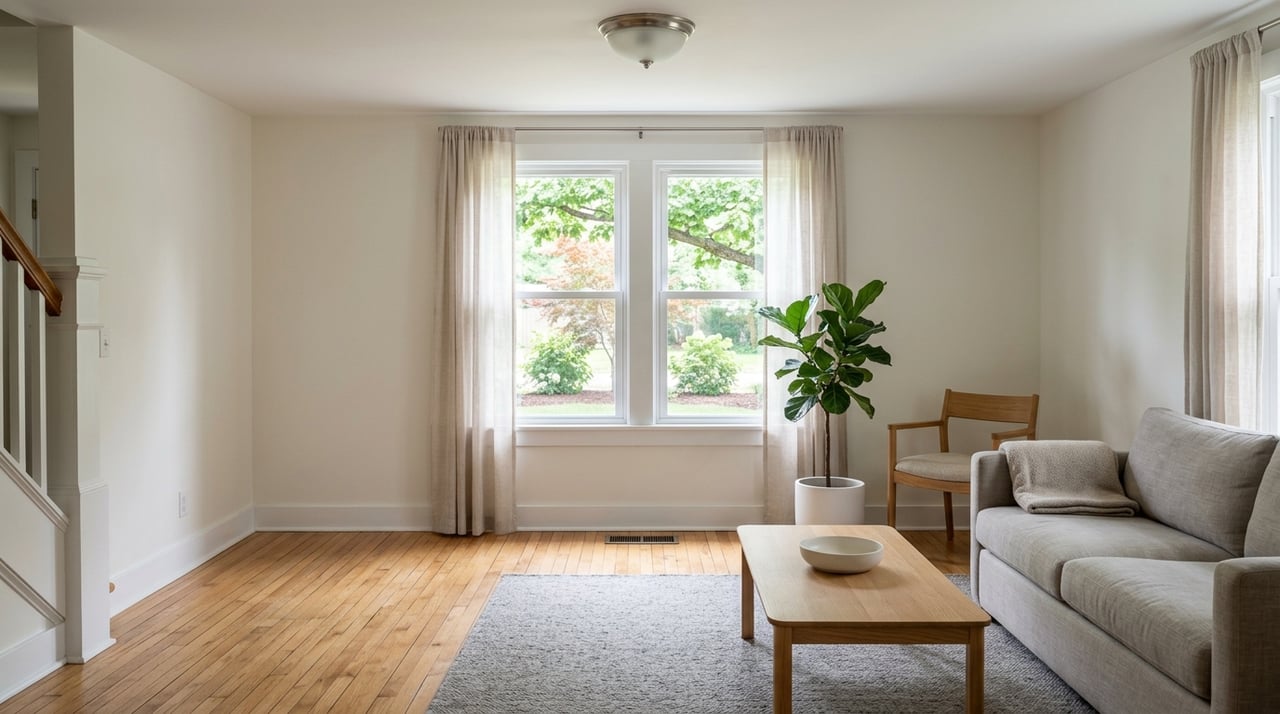
Selling A Rental Home In Severn Without The Stress
July 2, 2026
July 2, 2026
Worried that selling a rental home in Severn will turn into a tangle of tenant notices, showing conflicts, and last-minute surprises? You are not alone. If you own an occupied rental, the process is different from selling a vacant home, but it can feel far more manageable when you know the rules and plan ahead. In this guide, you will learn the key Maryland steps that can help you reduce stress, protect your timeline, and move toward closing with more confidence. Let’s dive in.
If you want a smoother sale, begin with the lease, not the listing date. In Maryland, the timing of your sale often depends on whether the tenant is staying through closing or whether you want the property delivered vacant.
If your goal is vacant possession, you will want to work backward from your target settlement date. Maryland law generally requires written notice 60 days before expiration for a written lease for a stated term longer than one week or for a month-to-month tenancy. Week-to-week tenancies follow different notice rules, so the lease terms matter right away.
If the tenant is staying in place, the sale does not usually wipe out the lease. Under Maryland law, the buyer generally steps into the landlord’s position and takes on the same lease obligations and remedies. That means your rental sale may involve a transition of ownership, not a reset.
One of the most important stress-saving steps is checking whether Maryland’s tenant-purchase law applies before you market the home. For certain tenant-occupied residential rental properties with three or fewer dwelling units, a tenant may have a statutory right to receive notice and a chance to submit an offer before the property is offered for sale to the public or a third party.
This law applies when the tenant has occupied the property for at least six months and is a named lessee in a written lease. It does not apply to every rental property, so it is important to review your situation carefully before making listing plans.
If the law applies, you must send written notice of the tenant’s right to deliver an offer to purchase. After that notice is delivered, the tenant has 30 days to submit an offer, and the owner has 5 days to accept or counter. In practical terms, that can affect when your Severn rental home can go live on the market.
The least stressful rental sale usually follows a clear order of operations. When you handle the legal timing first, you reduce the chances of delays after you are already preparing photos, showings, and marketing.
A simple planning sequence often looks like this:
This kind of early planning matters in Severn because an occupied rental home sale is both a real estate transaction and a landlord-tenant transition. Keeping those two tracks organized can make the process feel much more predictable.
Showings are often one of the biggest stress points in an occupied home. Maryland law allows a landlord to enter a leased property to show it to prospective or actual purchasers, but there are rules that must be followed.
The landlord must give at least 24 hours’ written notice. That notice must include the date, approximate time, and purpose of entry. Entry generally must take place between 7:00 a.m. and 7:00 p.m., Monday through Saturday, unless the tenant agrees in writing to another time.
From a practical standpoint, it helps to batch showings into predictable windows and keep scheduling in writing. That approach can reduce confusion, respect the tenant’s privacy, and make the property easier to market without constant disruption.
When everyone has a written record of the plan, there is less room for disagreement. You can more easily track when notice was given, what time buyers are expected, and whether any changes were approved.
This is especially useful if your tenant has a busy work schedule, pets, or concerns about frequent entry. A calm, organized showing plan can help keep the process more cooperative from start to finish.
Security deposits are another area where rental-home sales can get messy if you wait too long. If the tenant is moving out, Maryland law gives the tenant the right to attend the move-out inspection if the tenant provides the required written notice.
After the tenancy ends, the landlord must send any damages list and itemized costs within 45 days. If the property is sold or transferred, the seller remains liable for any security deposit not delivered to the buyer with the required accounting, and the successor in interest may also be liable for return of the deposit.
That means deposit handling should be part of your sale checklist from the beginning. You do not want questions about funds, accounting, or tenant records slowing down closing.
Not every rental property fits the same mold. If your property has an unusual setup, it may be wise to check licensing requirements early in the process.
Anne Arundel County has license categories that include multiple dwelling licenses and short-term residential rental licenses. If your Severn property is not a straightforward long-term single-family rental, this is worth reviewing before the home is marketed.
Selling a rental home is not only about price and timing. It also affects your net proceeds, and rental-property tax history can play a major role.
Depreciation reduces basis and can affect the gain on sale. This is especially important if the home was once your personal residence and later became a rental. In that situation, records tied to the conversion, depreciation schedules, improvements, and prior closing statements can all matter.
On the local cost side, Anne Arundel County’s posted FY26 rates include a county transfer tax of 1.0% up to $999,999.99 and 1.5% at $1 million or more. The county recordation tax is $7 per $1,000, rounded up to the nearest $500. These costs can affect your expected proceeds, so it helps to review them before you set your pricing strategy.
Some rental sales are straightforward. Others involve title issues, tenant complications, tax questions, or timing problems that need more than a basic checklist.
Maryland courts note that property transfers can be complicated and may have tax consequences. They also note that land-record clerks cannot give legal advice or perform title searches. If your transaction involves tenant rights, liens, title concerns, or a complicated rental history, bringing in a Maryland lawyer, title company, or tax professional early can help you avoid bigger issues later.
This can be especially helpful for owners who inherited a rental, converted a former residence into an investment property, or are selling as part of an estate or life transition. In those situations, a steady, organized plan often matters just as much as the marketing itself.
Sometimes the challenge is no longer about listing strategy. If the tenant is already in default or refuses to leave after proper notice, the matter may shift into a court process.
Maryland requires a written notice of intent to file before a failure-to-pay-rent case. Holdover cases are handled through the District Court repossession process. Once a sale depends on court timing, your closing plans may need to change.
That is one reason early review is so important. The sooner you identify a lease, notice, access, or possession issue, the more options you may have for keeping the sale on track.
Selling a rental home in Severn does not have to feel chaotic. The biggest stress reducers are usually simple but important: review the lease early, confirm whether the tenant-purchase law applies, follow Maryland’s 24-hour entry rule for showings, and organize deposit and tax records before the home hits the market.
When you approach the sale with a clear timeline and steady communication, the process becomes easier to manage. If you are thinking about selling an occupied rental in Severn or nearby Anne Arundel County, the Christine Joyce & Jean Andrews Team can help you build a calm, well-planned strategy for your next step.



Get In Touch With Our Team To Learn More

Jean Andrews & Christine Joyce Team
541 B Baltimore Annapolis Blvd Severna Park MD 21146