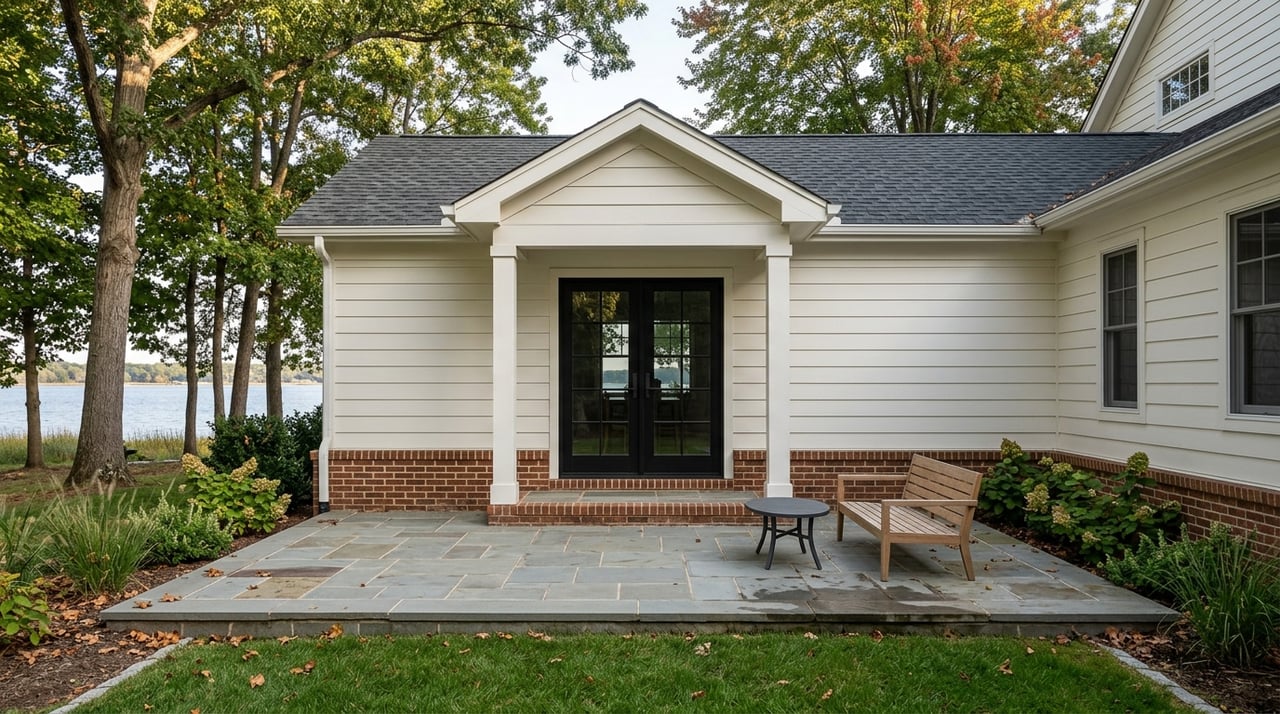
Buying A Second Home In Edgewater On The South River
June 4, 2026
June 4, 2026
Dreaming about a second home on the South River? In Edgewater, that dream can be very real, but it comes with more than a pretty water view. If you are thinking about buying a second home here, you need to understand access, ownership costs, flood exposure, and shoreline rules before you fall in love with a property. Let’s dive in.
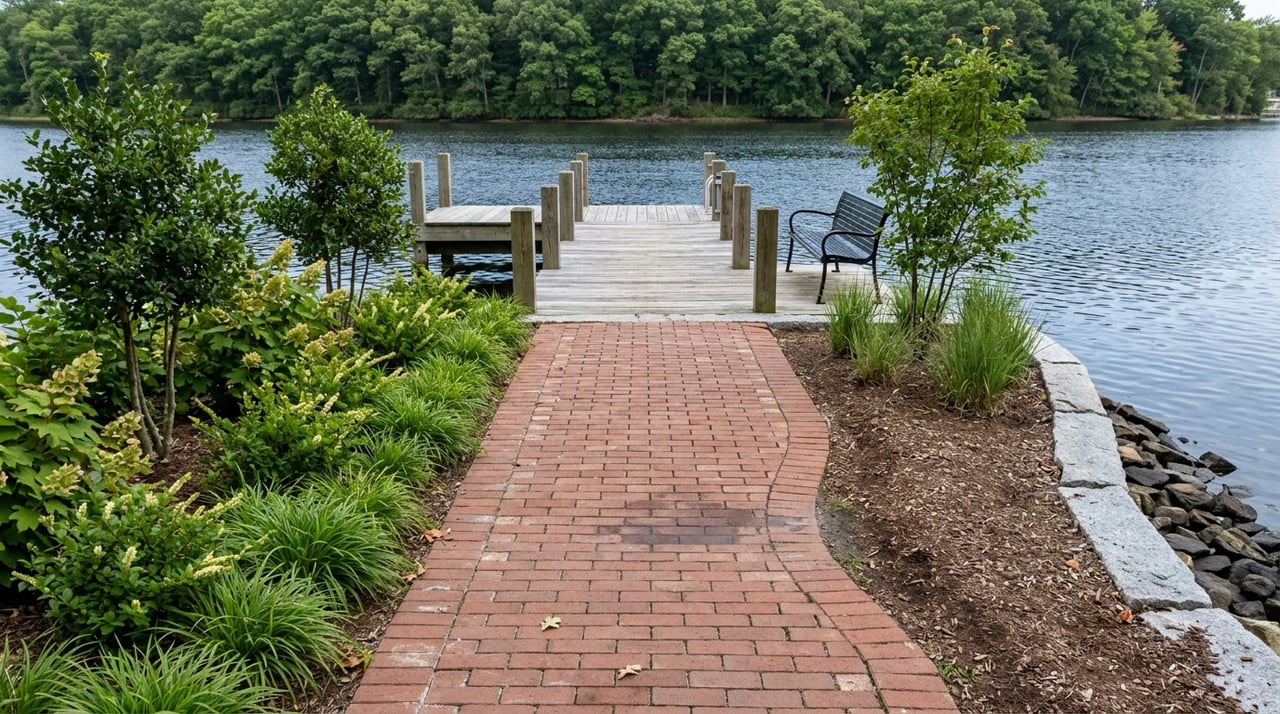
Edgewater offers something many buyers want but do not always find in one place: a true water-oriented setting with easy ties to everyday life in Anne Arundel County. The South River watershed includes Edgewater and nearby communities, and the area’s lifestyle is closely tied to boating, paddling, swimming, and shoreline use.
That matters because buying here is often about more than the house itself. Your experience can depend just as much on how you access the water, how often you plan to use the property, and what kind of upkeep the lot requires.
Anne Arundel County also maintains public water-access options that include boat ramps, beaches, swimming spots, dog-beach areas, and cartop launches. In Edgewater, Mayo Beach Park sits at the mouth of the South River and offers a cartop launch for non-motorized boats, though weekend and holiday access during peak season requires reservation passes from Memorial Day weekend through Labor Day weekend.
One of the biggest mistakes second-home buyers can make is treating all water-related listings the same. In Edgewater, there is a major difference between a true waterfront property and a home with community or nearby water access.
Anne Arundel County defines a waterfront lot as one that abuts the mean high-water line. In some cases, the definition can also include platted land owned by an HOA or the County that has rights to function as a waterfront lot.
That means terms like waterfront, community waterfront, and water access are not just marketing language. They can affect your legal rights, your ability to use the shoreline, and your long-term maintenance responsibilities.
You can think about Edgewater second homes in three broad categories:
If a home seems attractively priced compared with other river-area properties, this distinction is one of the first things to check.
Edgewater is largely a single-family home market. According to ACS 2020-2024 estimates, 74.9% of housing units are 1-unit detached, 18.1% are 1-unit attached, and 83.4% of occupied units are owner-occupied.
For you as a buyer, that usually means your search will involve comparing individual homes, lot features, utility setups, and maintenance needs rather than relying on a more standardized condo-style product. Two homes at similar price points can come with very different ownership costs and responsibilities.
The same ACS estimate places the median owner-occupied value at $454,100, with median monthly owner costs with a mortgage at $2,412. For second-home planning, those figures are helpful as broad context, but your actual costs can vary sharply depending on location near the water, utility service, flood insurance, and site conditions.
A second home on or near the South River can be a wonderful retreat, but the carrying costs deserve careful attention. In waterfront and water-oriented areas, the monthly budget often includes more than mortgage, taxes, and basic insurance.
For FY2026, Anne Arundel County’s real property tax rate is 0.977 per $100 of assessed value, plus the Maryland state rate of 0.112, for a total of 1.089 per $100 for properties in the county outside Annapolis and Highland Beach.
Maryland’s Homestead Tax Credit applies only to the one property used as your principal residence. In other words, a second home generally will not receive that cap.
If you are comparing a primary residence purchase with a second-home purchase, this is an important budget difference. It is one more reason to estimate your full carrying cost early in the process.
Flood exposure is a major issue for South River buyers. FloodSmart states that homeowners insurance generally does not cover flood damage, and NFIP policies cover both building and contents.
It also notes that a government-backed mortgage in a Special Flood Hazard Area requires flood insurance. If you are considering a shoreline property, it makes sense to price flood insurance before you write an offer, not after.
In Edgewater, utility setup can vary from one parcel to the next. Anne Arundel County serves more than 110,000 properties with public water and more than 118,000 wastewater customers, but more than 40,000 county properties still use on-site septic systems.
That means two nearby homes can operate very differently. One may be on county water and sewer, while another may rely on septic and have a different maintenance schedule and future upgrade needs.
Ask about:
The county’s Bay Restoration Fund can assist with septic-to-sewer conversion or nitrogen-reducing upgrades in some cases, although owners still pay certain fees.
Ask whether the property carries:
These details can affect your ongoing costs, so they should be part of your second-home review from the start.
If you picture adding a pier, clearing views, grading a yard, or improving erosion control later, you need to understand shoreline rules before you buy. This is one of the biggest practical differences between a typical resale home and a South River property.
Maryland DNR states that the Living Shoreline Protection Act generally requires private shoreline owners to use nonstructural erosion-control methods such as marsh plantings and natural vegetation. Work below the average high tide line in tidal wetlands or tidewater requires an MDE permit and may also require local approvals.
Anne Arundel County also notes that if a property lies within 1,000 feet of tidal waters, it is in the Critical Area. In that zone, vegetation removal and other disturbance within the 100-foot buffer require approval.
These rules can shape what you can do with the property in the future. Even projects that sound simple, like adding impervious surface, adjusting landscaping, or stabilizing shoreline, may need review.
Before you buy, ask:
If you plan to use the home for seasonal escapes now and improvements later, these answers can make a big difference.
Second homes often sit empty for stretches of time, and that creates its own risk profile. In Anne Arundel County, that is especially important during winter weather and shoulder seasons when vacancy and cold snaps can overlap.
The Maryland Insurance Administration advises maintaining a minimum temperature or shutting off the water supply when a home is vacant. It also recommends disconnecting hoses and winterizing irrigation systems to reduce the risk of frozen pipes.
This kind of planning may not be the most exciting part of buying a river-area retreat, but it is essential. A beautiful seasonal property works best when you are realistic about the upkeep it needs between visits.
The South River watershed has been the focus of sediment and stormwater restoration work, and county guidance emphasizes natural buffers and reducing runoff from lawns, rooftops, and driveways. That makes stewardship part of the ownership experience in Edgewater, especially the closer you are to the water.
For many buyers, this is actually part of the appeal. Owning near the South River can mean enjoying the setting while also taking thoughtful care of the shoreline, vegetation, and drainage patterns that affect it.
Before making an offer, make sure you can answer these questions clearly:
A second-home purchase on the South River is often less about finding the prettiest kitchen and more about understanding rights, responsibilities, and ongoing costs. When you know what to look for, you can buy with much more confidence.
If you are considering a second home in Edgewater, local guidance can make the process feel much more manageable. The Christine Joyce & Jean Andrews Team can help you evaluate waterfront differences, ask the right due-diligence questions, and find a property that fits how you really want to use it.
Get In Touch With Our Team To Learn More
Jean Andrews & Christine Joyce Team
541 B Baltimore Annapolis Blvd Severna Park MD 21146